

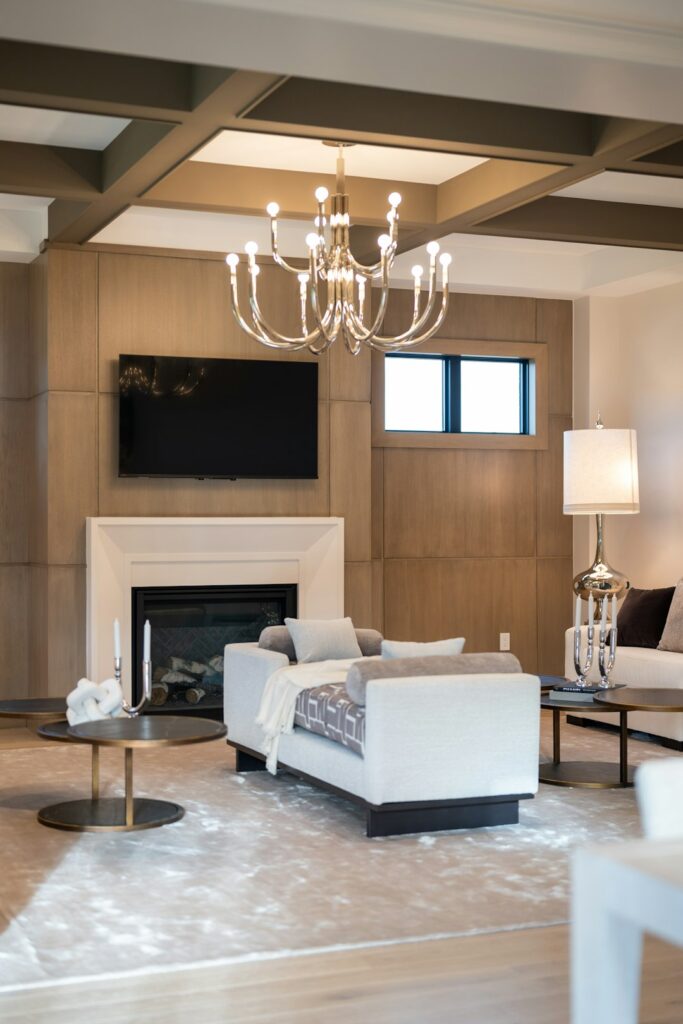
Luxury in home furnishings is less about price or decoration and more about lasting quality, thoughtful design, comfort, and suitability for daily life. A truly well-furnished home feels considered without appearing overly formal, and its pieces continue to perform well as household needs change.
For residents of Southern Pines, NC, luxury may also need to account for regional climate, seasonal living patterns, space planning, and the character of local homes. The most successful interiors balance refinement with practicality.
What makes a furnishing feel luxurious?
A luxury furnishing typically combines several qualities rather than relying on a single expensive material or recognizable style. Craftsmanship, proportion, comfort, durability, and visual restraint all contribute to the experience.
A piece may feel luxurious because:
- Its construction is strong and carefully finished.
- Materials are pleasant to touch and designed to age well.
- The proportions suit the room instead of overwhelming it.
- The seating, lighting, or storage performs its intended function comfortably.
- Details are subtle, consistent, and thoughtfully placed.
- The design remains appealing beyond a short-lived trend.
Luxury is often noticed through use. A well-made chair supports the body properly, a drawer operates smoothly, and a dining table remains stable after years of regular meals. These practical details may be less visible than color or ornament, but they strongly affect how a room feels.
Is luxury defined by cost?
High cost does not automatically indicate luxury. Price can reflect skilled labor, scarce materials, transportation, design authorship, or complex construction, but it may also reflect branding, limited supply, or fashion.
A more useful question is whether the furnishing provides lasting value. Consider:
- How long the piece is expected to last.
- Whether it can be repaired, refinished, or reupholstered.
- Whether the materials are appropriate for the intended use.
- Whether the design will work if the room or household changes.
- Whether the comfort and performance justify the investment.
A moderately priced furnishing with solid construction may be a better long-term choice than a more expensive piece made with fragile finishes or poor internal materials. Luxury is better understood as quality that can be experienced over time, not simply a high purchase price.
Why do materials matter so much?
Materials affect appearance, comfort, maintenance, and durability. Natural wood, stone, leather, wool, linen, and high-quality metal can bring depth and variation that manufactured surfaces sometimes imitate but do not fully reproduce.
The best material depends on the location and use of the furnishing. For example, a frequently used sofa may require a resilient upholstery fabric rather than a delicate textile. A dining surface should tolerate spills, heat, and repeated cleaning. A bedroom furnishing may prioritize tactile comfort and quiet operation.
Material quality should also be judged by construction. Solid wood does not guarantee excellent workmanship, and natural stone can still be poorly finished. Look for balanced proportions, secure joints, consistent surfaces, and finishes that appear deliberate rather than merely glossy.
In a region with warm weather and seasonal humidity, materials should also be selected with environmental changes in mind. Wood, veneers, adhesives, and upholstery can respond differently to moisture and temperature. Proper placement and reasonable indoor climate control help protect furnishings over the years.
How does craftsmanship contribute to luxury?
Craftsmanship is the quality of the work behind the visible design. It includes joinery, stitching, finishing, alignment, weight distribution, and the way separate components work together.
Signs of careful craftsmanship may include:
- Even seams and straight stitching.
- Doors and drawers that align and close smoothly.
- Stable legs, frames, and joints.
- Consistent wood grain or veneer placement.
- Finishes that are smooth without hiding construction flaws.
- Hardware that feels secure and operates easily.
- Edges that are comfortable rather than sharp or poorly finished.
Craftsmanship is not always decorative. Some of the most meaningful signs are hidden inside a frame, beneath a tabletop, or within a drawer. A restrained exterior can conceal considerable technical skill.
This is also why luxury furnishings should be evaluated in person whenever possible. Photographs can show color and general form, but they rarely communicate weight, texture, balance, movement, or comfort accurately.
Does luxury require a formal or traditional style?
No. Luxury can appear in traditional, contemporary, transitional, rustic, minimalist, or eclectic interiors. The defining quality is coherence, not a particular style category.
A luxurious room usually has a clear relationship between scale, color, texture, lighting, and function. It may contain only a few furnishings, but each item has a purpose. A simple room can feel more refined than a crowded one if the pieces are well-proportioned and visually related.
For homes with open layouts, which are common in many newer residences, furnishings must work from several viewpoints. The back of a sofa, the scale of a dining table, and the placement of lighting all become part of the overall composition. Luxury depends on how the room functions as a whole rather than on isolated decorative objects.

How should local climate and household habits influence choices?
Regional conditions should be part of furnishing decisions, especially in a place with warm summers, seasonal humidity, and homes that may receive substantial natural light.
Practical considerations include:
- Using window coverings or protective finishes where direct sunlight could fade wood and textiles.
- Allowing appropriate space around furniture for air circulation.
- Choosing upholstery that can tolerate regular use and occasional cleaning.
- Keeping wood furnishings away from persistent moisture or intense heat sources.
- Selecting rugs and fabrics that suit the household’s traffic patterns.
- Considering porches, screened spaces, and indoor-outdoor transitions when planning storage and seating.
Household habits matter just as much. A home used for frequent entertaining requires different surfaces and seating than a quiet residence with limited visitors. Families with pets, children, or older adults may place greater value on cleanability, stability, supportive seating, and clear pathways.
Luxury should make daily routines easier, not create a home that feels too delicate to use.
What is the difference between luxury and excess?
Luxury emphasizes quality and intention; excess emphasizes quantity or display. A room becomes less successful when every surface competes for attention or when furnishings are selected mainly to signal expense.
Thoughtful restraint can make a space feel more comfortable and sophisticated. This may involve leaving enough open space to move easily, repeating a material in small ways, or choosing one substantial focal point instead of many decorative accents.
Luxury also allows for personal character. A room does not need to look like a showroom. Books, artwork, inherited objects, and signs of regular use can make a carefully furnished home feel more authentic. The goal is not perfection but a strong relationship between beauty, comfort, and the people who live there.
How can residents evaluate a furnishing before buying it?
Begin with function, then examine quality. Sit on seating for several minutes, open doors and drawers, inspect the underside when possible, and consider how the piece will be moved into the room.
Useful questions include:
- Is the scale appropriate for the room?
- Does the piece support the way the household actually lives?
- Are the surfaces easy enough to maintain?
- Can the furnishing be repaired or updated?
- Will sunlight, humidity, pets, or frequent use affect it?
- Does it coordinate with existing pieces without requiring a complete redesign?
- Is the design appealing enough to remain useful if tastes change?
For large furnishings, measure both the room and the route into it. Doorways, stairways, hallways, ceiling height, and turning areas can determine whether a piece is practical long before style becomes a concern.
Luxury in home furnishings ultimately comes from making sound decisions about quality, proportion, comfort, and longevity. The result should feel natural to use, appropriate to the home, and durable enough to remain valuable through ordinary life.